25%
Higher productivity.
Unified data platforms deliver about 25% higher data-engineering productivity (Forrester TEI), helping teams ship trusted data products faster.

A modern data platform that unifies your data, trusted, real-time and ready for BI and AI
Data trapped in legacy warehouses, spreadsheets and siloed operational systems slows every report and blocks AI.
This service designs and builds a modern data platform, including lakehouse, pipelines and real-time streaming, that brings your ERP, operational, transactional and IoT data into one governed foundation your analysts and AI can rely on.
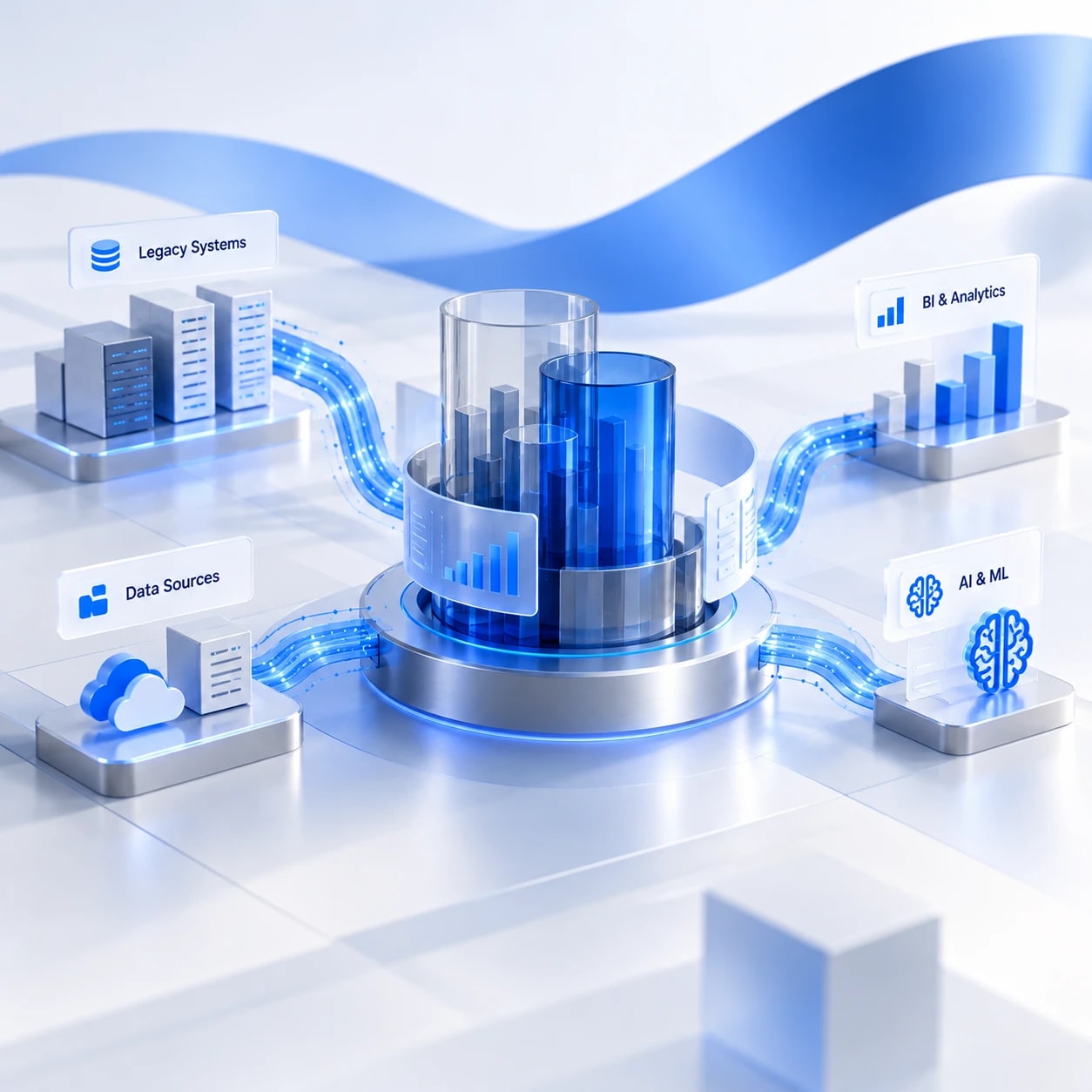

A unified platform raises engineering productivity, puts more enterprise data to work and creates one governed source of truth.
Unified data platforms deliver about 25% higher data-engineering productivity (Forrester TEI), helping teams ship trusted data products faster.
Forrester TEI reports a 379% three-year ROI for unified data platforms. We sequence the build around priority domains and measurable value.
Enterprises use only 32% of the data available to them (IDC). A governed platform makes more of that data accessible for BI and AI.
A production-ready platform covering architecture, ingestion, streaming and modernization.

Lakehouse, data lake and warehouse design, in the cloud, on-premises or hybrid.

Batch and incremental ingestion with built-in quality checks.

IoT / OT, event and transaction data integrated with ERP and CRM.

Warehouse and ETL migration, parallel run, cutover and decommissioning.
10–14 weeks to a production platform for priority data domains, with further domains in 4–6 week increments.
Engagement Lead, Data Architect, two to three Data Engineers, a Cloud / Platform Engineer and a BI Developer.
Lakehouse and warehouse platforms such as Microsoft Fabric, Databricks and Snowflake, plus dbt and Kafka streaming.
Delivered in-house, with cloud and data-platform vendors engaged where required.
A fixed fee per build increment (preferred), and managed services for platform run and enhancement.
Access to source systems including ERP, CRM, databases and historians; data owners for validation; target cloud or landing-zone access; and current reports to reconcile against.
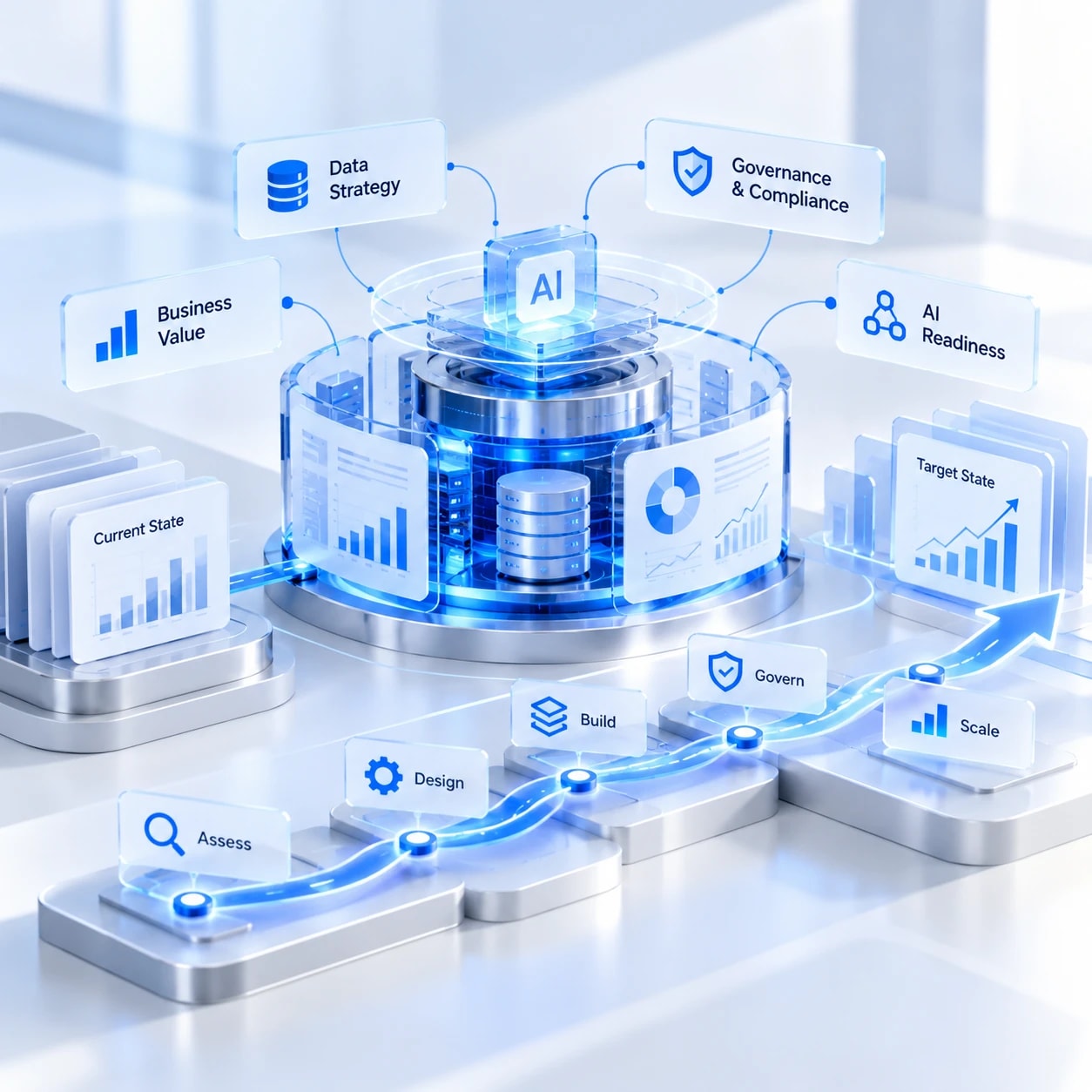
A data strategy, governance model and roadmap tied to business value and ready for AI.
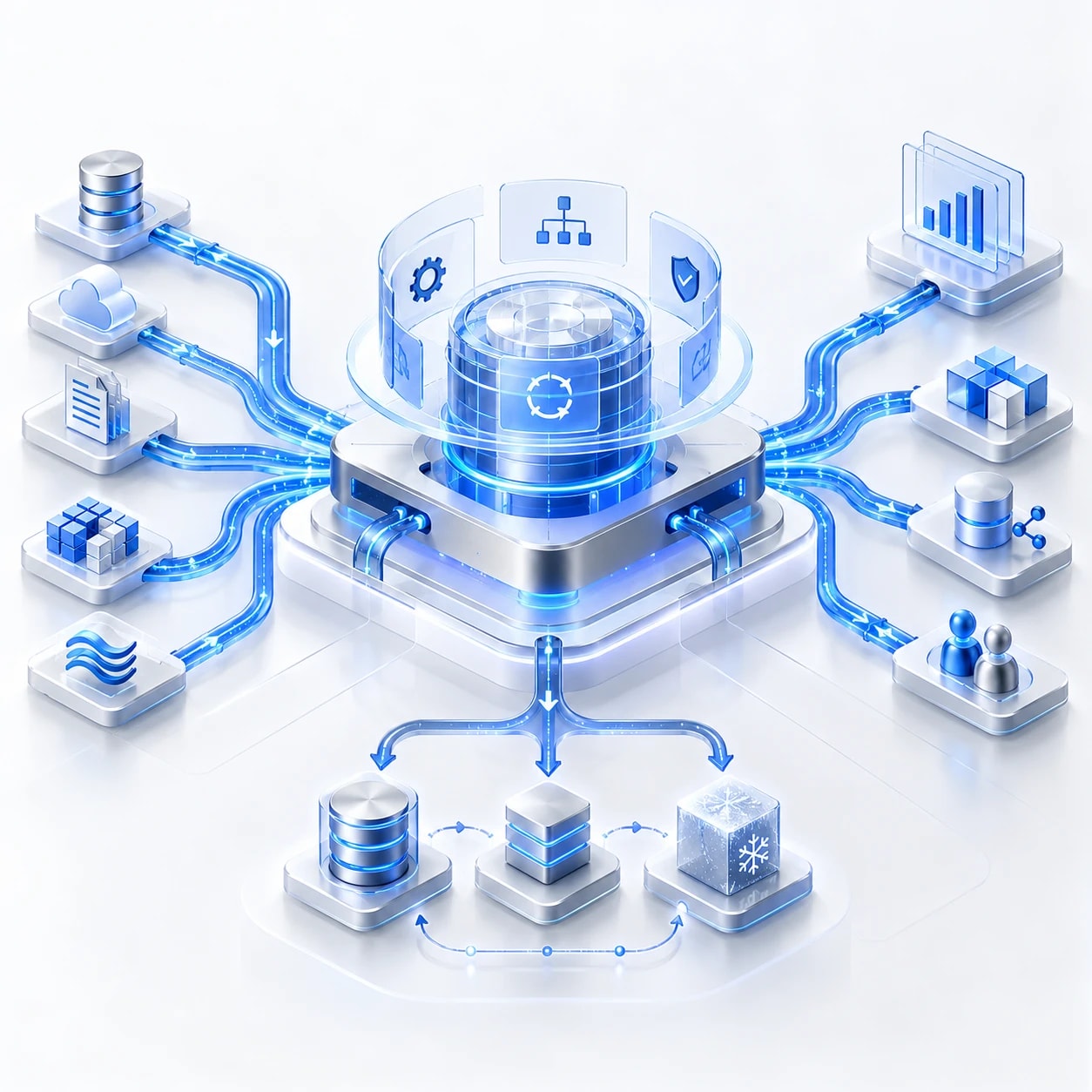
Reliable, observable data pipelines that stay fresh, accurate and cost-efficient.
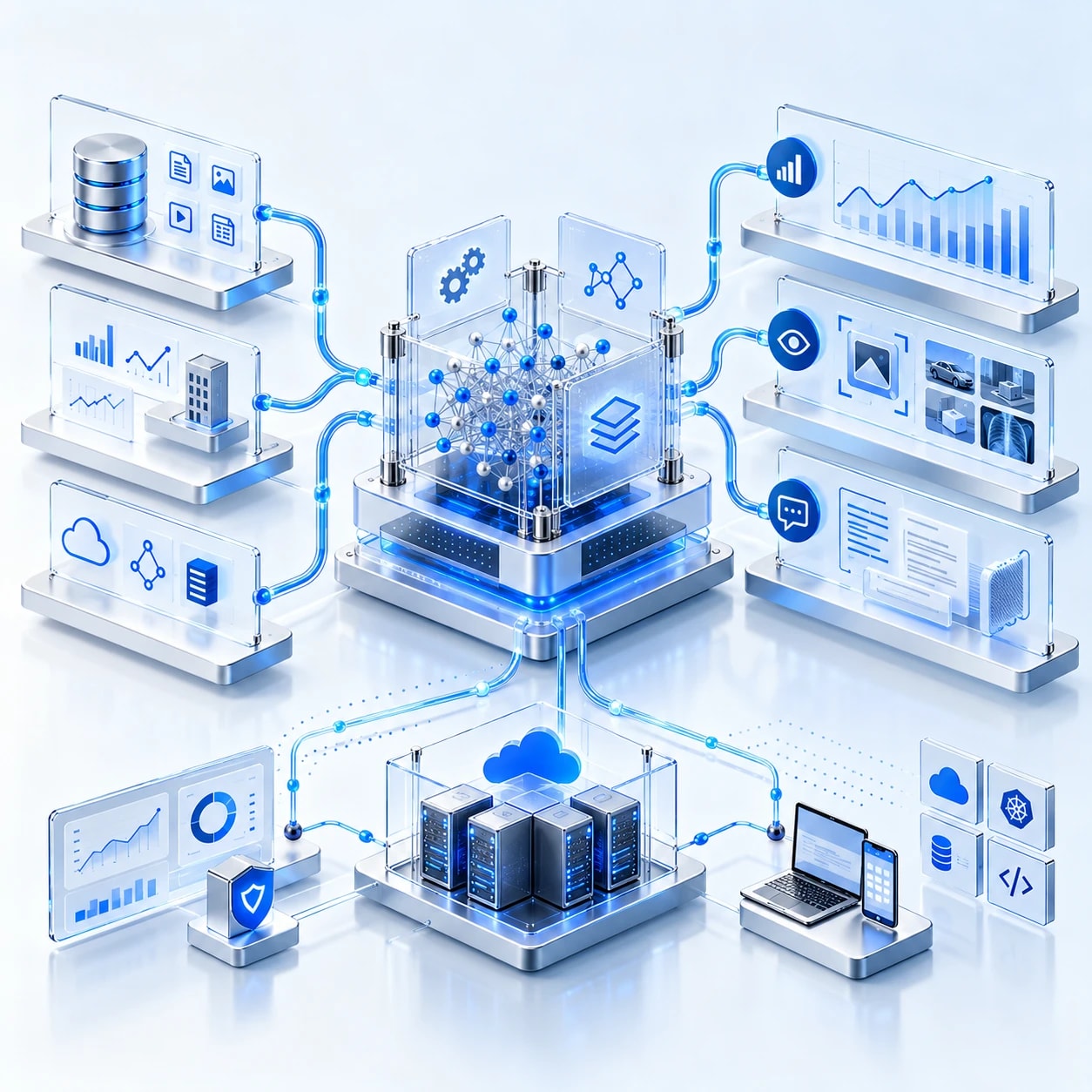
Production AI models built on your own data, running in your operations.
Start with your priority data domains, on a production platform in 10–14 weeks.